.png)


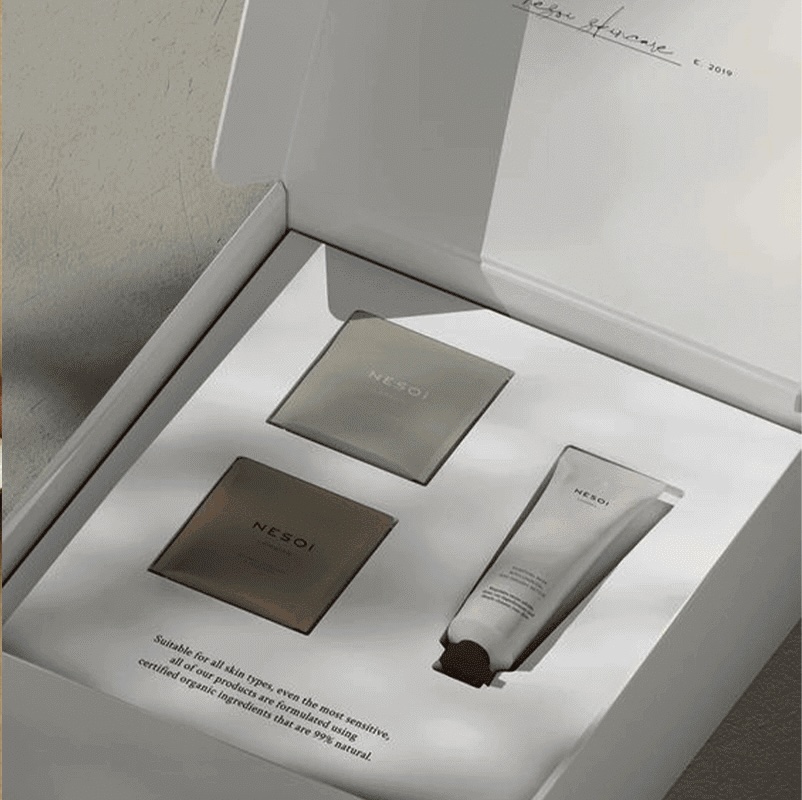
Eco-friendly skincare packaging is more than just a trend. It is a smart business strategy that allows brands to grow while supporting a healthier planet. By choosing sustainable cosmetic packaging and thoughtful design, you can reduce waste, lower shipping costs, and attract environmentally conscious consumers.
Today's beauty buyers are more ingredient-savvy and packaging-savvy than ever. According to a 2024 McKinsey survey, 77% of U.S. consumers consider recyclability one of the top factors when evaluating packaging sustainability. For skincare brands, the unboxing experience is not just a first impression. It is a clear statement of your brand values.
Unlike primary containers that must protect delicate formulas, secondary packaging and shipping materials offer more creative freedom. You can experiment with renewable materials and create elevated presentations through eco-friendly cosmetic packaging, all while staying true to your sustainability goals.

What Is Sustainable Cosmetic Packaging?
Sustainable cosmetic packaging refers to materials and design choices that reduce environmental impact across a product's lifecycle, from sourcing and manufacturing through disposal. This includes biodegradable, compostable, and recyclable materials, as well as reusable and refillable formats that reduce single-use waste.
Biodegradable, compostable, and recyclable are often used interchangeably, but they mean different things. Biodegradable materials break down naturally over time through microbial action. Compostable materials break down under specific conditions into nutrient-rich soil, often requiring industrial composting facilities. Recyclable materials can be reprocessed into new products through existing recycling infrastructure. Reusable and refillable packaging avoids the waste question altogether by extending the container's life. Brands choosing between these options are typically balancing shelf appeal, product protection, and end-of-life impact.
Biodegradable Packaging Materials
These materials represent some of the most innovative options in eco-friendly cosmetic packaging today, each suited to different parts of the packaging lifecycle.
Mushroom-based packaging uses mycelium, the root structure of fungi, grown into molded shapes that fully biodegrade in home compost conditions. Best for rigid outer packaging and protective inserts where a brand wants a distinctive, tactile unboxing experience.
Seaweed-based films are derived from algae and break down without leaving microplastic residue, unlike many conventional plastic films. Best for single-use sachets, sample packets, and lightweight wrapping.
Bagasse and sugarcane pulp are byproducts of sugarcane processing, molded into trays, boxes, and inserts. Best for structural packaging that needs to hold its shape while still being compostable.
PLA bioplastics are derived from plant starches like corn or sugarcane and resemble conventional plastic in look and function, but require industrial composting to break down properly. Best for brands wanting a familiar plastic look and feel without petroleum sourcing.
Bamboo fiber is fast-growing, renewable, and naturally biodegradable. Best for jars, caps, and closures where durability matters alongside sustainability.

Packaging Material Comparison
10 Eco-Friendly Skincare Packaging Design Ideas
1. Rigid Boxes
Why it works: Rigid boxes offer structure and a high-end feel while using recyclable paperboard. Because they’re sturdy, they can often be reused multiple times, extending the life of the packaging. Their clean lines and solid construction make them ideal for skincare gift sets or hero products that need extra protection without excess padding.
How to use: Pair rigid boxes with molded pulp inserts or compostable wraps to keep products secure. For sustainable packaging for beauty products that offers a luxe unboxing moment, choose a minimalist exterior with inside lid printing.
Best for: Premium gift sets, hero products, luxury skincare launches, and high-end unboxing experiences.

2. Mailer Boxes
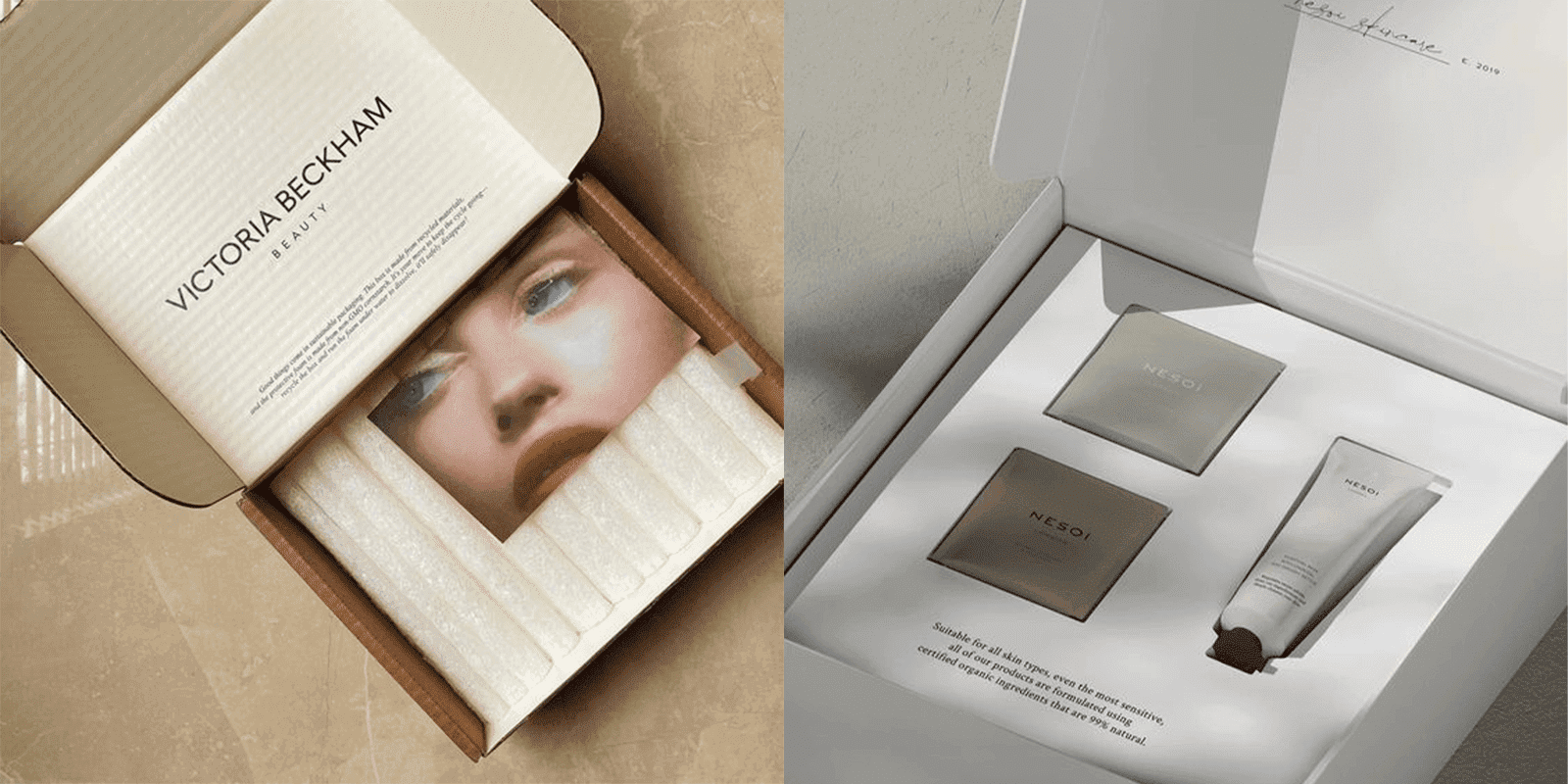
Why it works: Mailer boxes made from recycled kraft board are a fan favorite for eco-conscious skincare brands. They’re lightweight, easy to stack and ship flat, and fully curbside recyclable.
How to use: Choose a snug fit to minimize void fill. Add soft-touch or aqueous coatings for a premium look, and include tear-strip openings to eliminate the need for tape.
Best for: Direct-to-consumer shipments, subscription boxes, and everyday e-commerce orders for single products or small bundles.
3. Shipping Boxes
Why it works: Shipping boxes are the backbone of eco-friendly fulfillment. Crafted from recycled or recyclable corrugated cardboard, they’re strong enough to protect multiple products during transit and can be reused or recycled after delivery.
How to use: Use standardized sizes to reduce shipping waste.
Best for: Bulk orders, multi-product shipments, wholesale fulfillment, and larger skincare kits or routines.
4. Unit Cartons
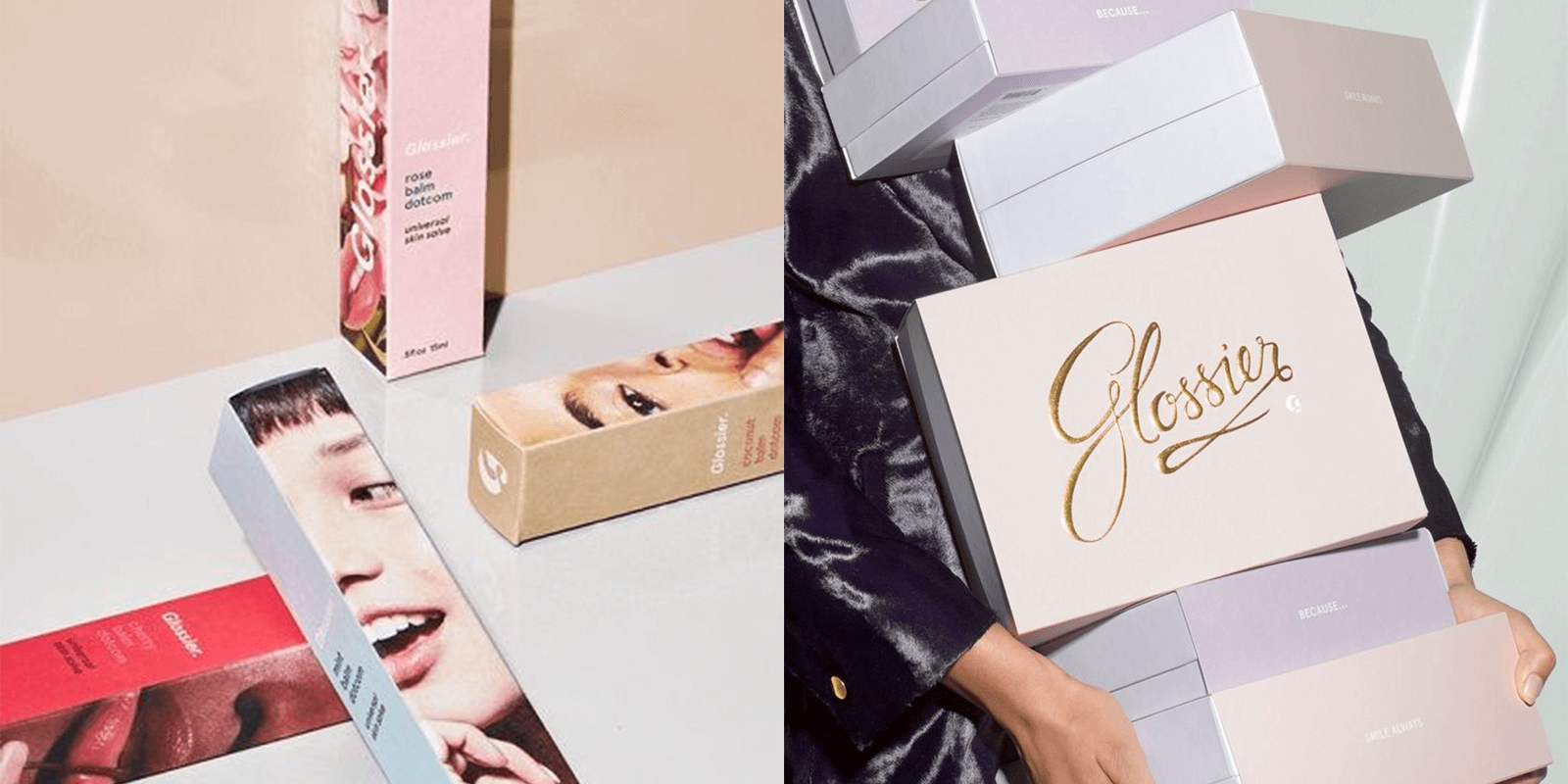
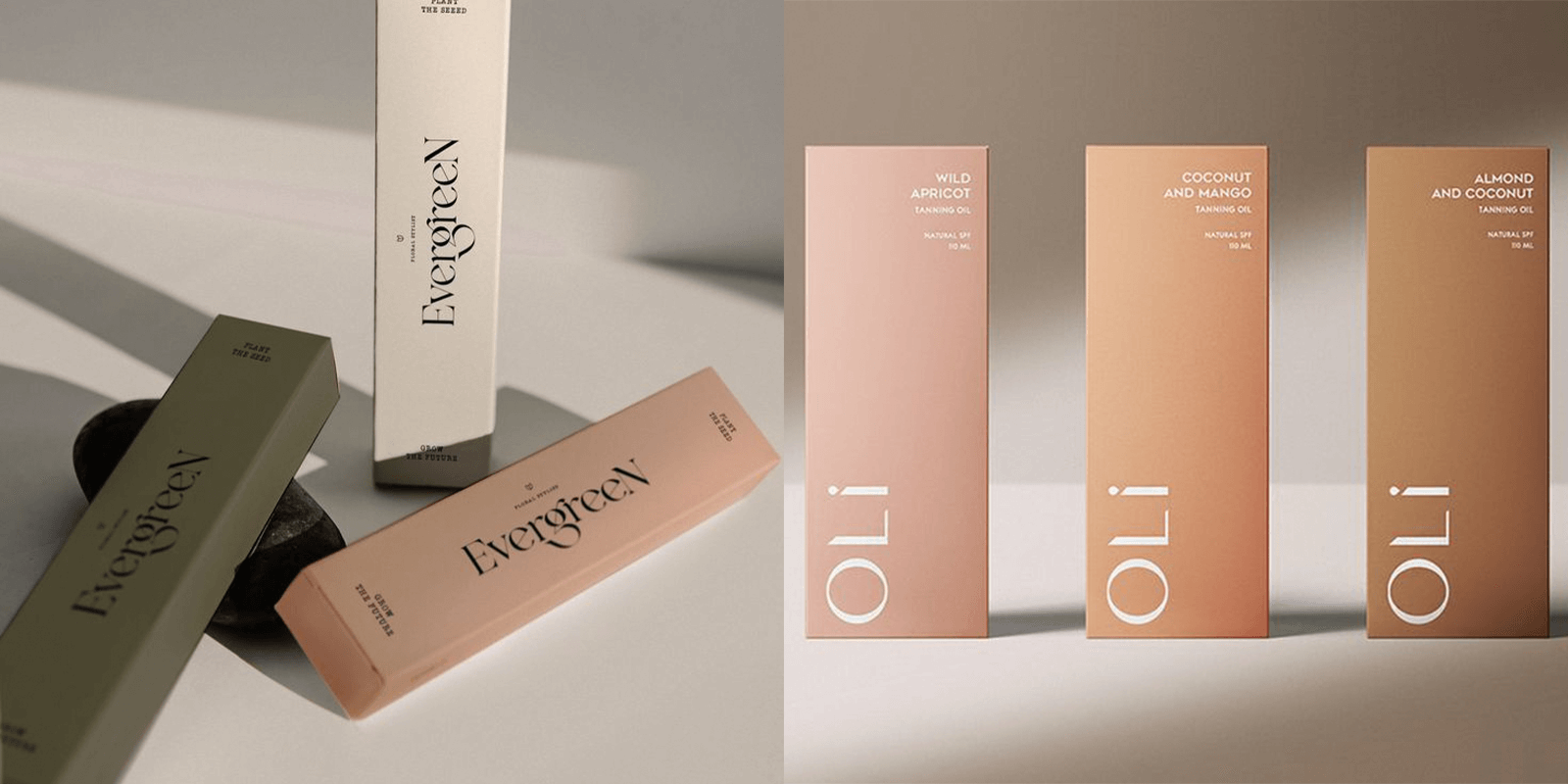
Why it works: Unit cartons made from FSC-option or recycled paperboard give skincare products a clean, branded look while being easy to recycle. They add structure and presentation without excess weight.
How to use: Keep designs minimal with low-ink printing. Pair with compostable tissue or molded pulp trays inside your shipper for a cohesive, sustainable system.
Best for: Individual product packaging, retail shelf display, and branded presentation of single jars, bottles, or sets.
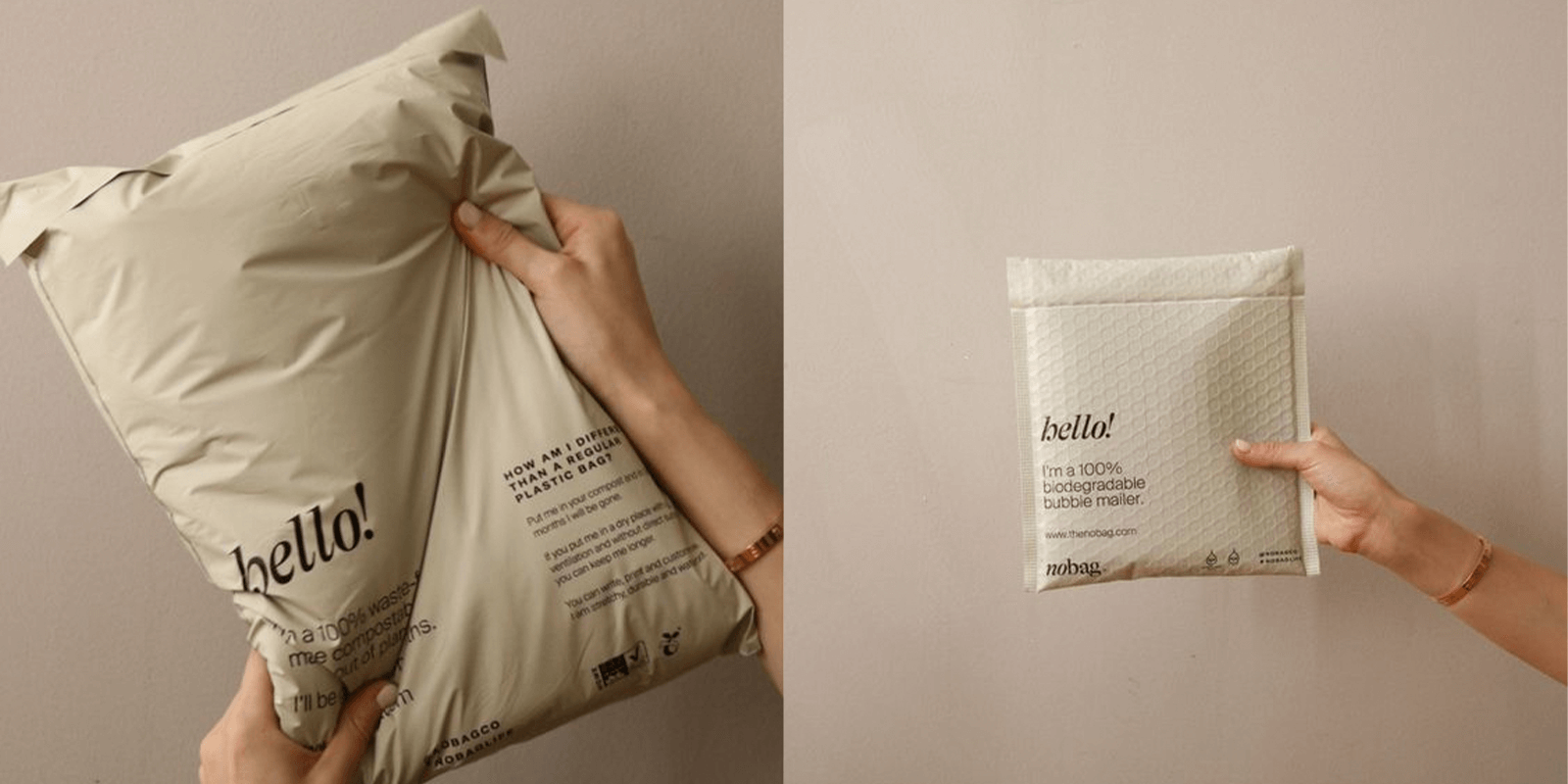
5. Compostable Poly Mailers
Why it works: Compostable poly mailers are a smart alternative to single-use plastic. They’re designed to break down quickly in home or commercial composting environments, making them an ideal option for brands looking to reduce landfill waste. Lightweight yet durable, they offer a balance of protection and sustainability.
How to use: These mailers work best for lightweight skincare items like sheet masks, travel kits, or refills. Add a branded sticker or stamp to personalize the packaging without compromising its compostability.
Best for: Lightweight items such as sheet masks, serums, travel sizes, refills, and single-product e-commerce shipments.

6. Compostable Bubble Mailers
Why it works: Compostable bubble mailers offer the cushioning of traditional padded envelopes without the landfill impact. They’re lightweight, space-saving, and a great fit for smaller skincare products.
How to use: Use them for delicate items like serums or glass bottles that need extra protection. This type of cosmetic packaging can be paired with compostable tape or stickers for a fully plastic-free shipper.
Best for: Fragile or glass-packaged products like dropper bottles, serums, and creams that need extra cushioning during shipping.
7. Seed Paper Cards and Inserts
Why it works: Seed paper is biodegradable, plantable, and memorable. Instead of throwing inserts away, customers can plant them and watch wildflowers grow—a feel-good brand experience.
How to use: Include thank-you notes, care instructions, or QR codes on seed paper. Keep printing minimal to ensure the paper remains fully plantable.
Best for: Thank-you notes, brand storytelling, care instructions, loyalty cards, and creating memorable, interactive customer experiences.

8. Compostable Tissue Paper and Wraps
Why it works: Tissue made from recycled or compostable fibers adds a premium layer to your packaging while keeping it sustainable. When printed with water-based inks, it remains easy to recycle or compost.
How to use: Wrap skincare products for a soft, branded reveal. A custom pattern or logo can add personality without sacrificing recyclability. Get inspired with custom tissue paper designs →
Best for: Interior wrapping, gift sets, layered product presentation, and adding a luxurious feel to the unboxing experience.

9. Molded Pulp Trays and Inserts
Why it works: Molded pulp trays are a low-impact alternative to foam or plastic inserts. Made from recycled paper pulp, they’re compostable, recyclable, and perfect for securing products in transit.
How to use: Use molded pulp trays to nest skincare bottles, jars, or kits. Their form-fitting design helps prevent breakage and allows for a clean, elevated interior presentation.
Best for: Securing multiple products inside boxes or cartons, protecting glass bottles and jars, and creating clean, professional interior layouts.

10. Compostable Packing Fillers
Why it works: Compostable fillers like shredded paper or starch-based peanuts protect fragile products and break down easily after use—unlike plastic air pillows.
How to use: Fill any remaining void space in shipping boxes to keep products from shifting during transit. Choose neutral colors to keep your branding clean and cohesive.
Best for: Filling space in shipping boxes, protecting fragile or irregularly shaped items (like glass bottles and jars) during transit, and providing eco-friendly cushioning.

Branding with Intention: Minimal, Smart, and Bold
A sustainable skincare packaging strategy should work with your branding, not against it.
- Leverage negative space: Minimalist designs save ink and look modern.
- Use eco-markers wisely: FSC, compostable, and recycling symbols help customers dispose of correctly.
- Tell the story: A short line inside the box (“100% recyclable. Please reuse or recycle me.”) can be more powerful than an extra card.
- Choose earthy tones: Natural kraft browns, muted greens, creams, or soft blacks pair well with minimalist skincare brands.

Creative Ideas to Enhance the Unboxing Experience
Sustainable doesn't mean boring. Thoughtful touches can make custom skincare packaging feel premium.
Inside lid printing adds a simple welcome message or brand mantra inside mailers, turning a functional element into a branded moment.
Compostable stickers or stamps are a playful way to add color without introducing plastic into the packaging system.
Custom tissue patterns using water-based ink prints bring a luxurious feel without sacrificing recyclability.
Interactive QR codes link to skincare routines, playlist vibes, or behind-the-scenes content, extending the unboxing experience beyond the physical package.
Reusable elements like a muslin pouch or compostable bag give customers something they can repurpose instead of discarding.
Pro tip: Let the tactile quality of your materials do the talking. Textured kraft and molded pulp have a luxe, natural feel.

Compliance, Certifications & Labeling
Back up your eco-friendly packaging and merch with standards that matter.
FSC® certification confirms paper is sourced from responsibly managed forests.
How2Recycle® labeling provides clear disposal instructions for consumers.
Compostable certifications like ASTM D6400 (US) or EN 13432 (EU) verify a material actually meets compostability standards.
Recycled content claims should specify percentages, such as "Made with 80% post-consumer recycled paper," rather than vague sustainability language.

What to Look for in a Sustainable Packaging Supplier
Choosing the right supplier matters as much as choosing the right material. A few things worth confirming before committing to a partner:
Material sourcing transparency matters because suppliers should be able to specify exactly where materials come from and what certifications back them up, not just label something "eco-friendly" without documentation.
Minimum order quantities vary widely between suppliers, and sustainable materials sometimes carry higher MOQs than conventional packaging, so it's worth confirming this fits your production scale before committing.
Domestic vs. overseas production affects both shipping emissions and lead times. A supplier with domestic manufacturing capabilities can reduce the carbon footprint of the packaging itself, not just the materials it's made from.
Customization capabilities should be confirmed upfront, since sustainable materials like molded pulp or bagasse don't always support the same print or finishing options as conventional paperboard.
Asking these questions early avoids a mismatch between a brand's sustainability goals and what a supplier can actually deliver at scale.
Why Sustainable Skincare Packaging Matters in 2026
Sustainable skincare packaging is no longer a differentiator. It is an expectation. Skincare brands that treat eco-friendly materials as a core part of product development, rather than an afterthought, are better positioned to build trust with an increasingly environmentally conscious customer base.
Whether you are starting with a single material swap or planning a full packaging redesign, working with the right partner can make the transition smoother and more impactful. Gemnote specializes in sustainable cosmetic packaging and eco-friendly skincare packaging solutions, offering transparent sourcing, a wide range of compostable and recyclable materials, and custom designs that align with both your brand vision and sustainability goals.
Every meaningful shift toward more sustainable choices adds up. The brands that lead with intention today will be the ones customers remember tomorrow.

FAQs
What is the most eco-friendly packaging for skincare products?
There isn't a single best option since it depends on the product type and how it's used. Glass and recycled paperboard are strong choices for primary containers because they're widely recyclable, while mushroom-based and bagasse materials work well for secondary or shipping packaging because they're compostable and don't rely on existing recycling infrastructure. The right approach to sustainable packaging for cosmetics usually combines a few of these materials based on what each part of the packaging needs to do.
Is biodegradable packaging the same as compostable packaging?
No. Biodegradable materials break down naturally over time through microbial action, but that process can take months or years depending on conditions. Compostable materials are designed to break down faster under specific conditions, often requiring industrial composting facilities, and typically leave behind nutrient-rich soil rather than residue. When evaluating biodegradable skincare packaging, it's worth checking which category a material actually falls into, since the two terms get used interchangeably even though the breakdown timelines and conditions are different.
Does sustainable packaging cost more than traditional packaging?
It can, particularly for newer materials like mushroom-based or seaweed-based packaging that aren't yet produced at the same scale as conventional plastics. Recycled paperboard and glass are generally cost-comparable to traditional options since supply chains are more established.
How can skincare brands make packaging more sustainable without redesigning everything?
Small changes carry weight. Switching to recycled paperboard for shipping boxes, removing unnecessary plastic void fill, or using soy-based inks on labels are lower-lift updates that reduce environmental impact without requiring a full packaging overhaul. These same principles apply broadly across the beauty industry, including eco-friendly makeup packaging, where small material and design swaps can add up without a full product line redesign.
What certifications should brands look for when sourcing sustainable packaging?
FSC certification confirms paper and wood-based materials come from responsibly managed forests. How2Recycle labeling helps consumers correctly recycle packaging. ASTM D6400 certifies that a material meets compostability standards. These are the same certifications covered in the compliance section above, and they're worth asking suppliers about directly.
